Preparing the mission
🎯 Learning Objectives
By the end of this chapter, you will be able to:
- Identify the hardware components for each drone platform (M300/M350/M3E)
- Understand weather requirements for safe flight operations
- Know the wind speed limits for different drone models
- Recognize the importance of pre-flight hardware inspection
- Understand the role of inspection campaigns in mission organization
⏱️ Estimated time: 10-12 minutes
Presentation of the hardware
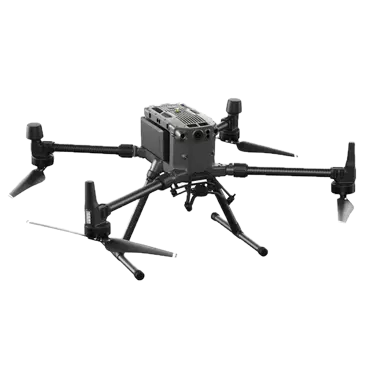
M300 RTK
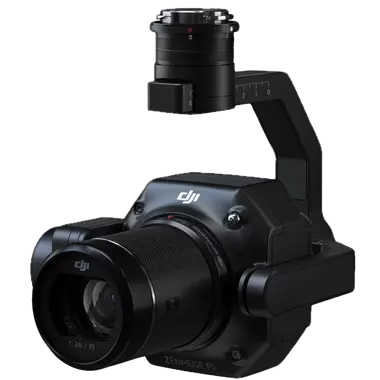
Zenmuse P1
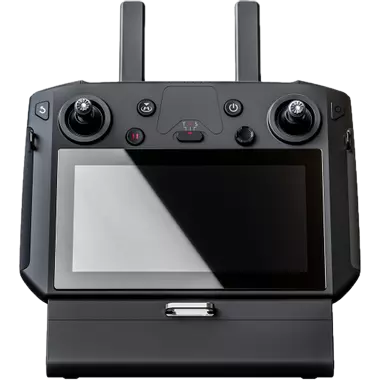
Smart Remote Controller
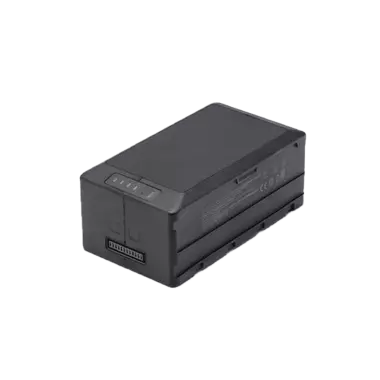
TB60 Battery
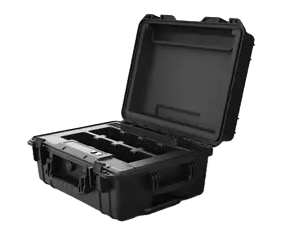
TB60 Charging case
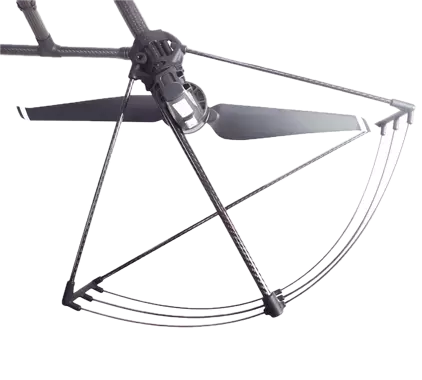
Propeller protection (x4)
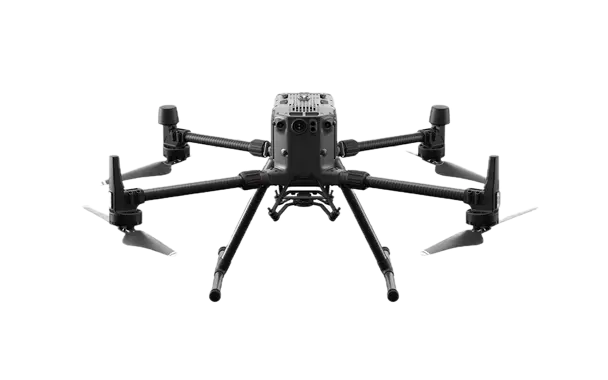
M350 RTK
Zenmuse P1
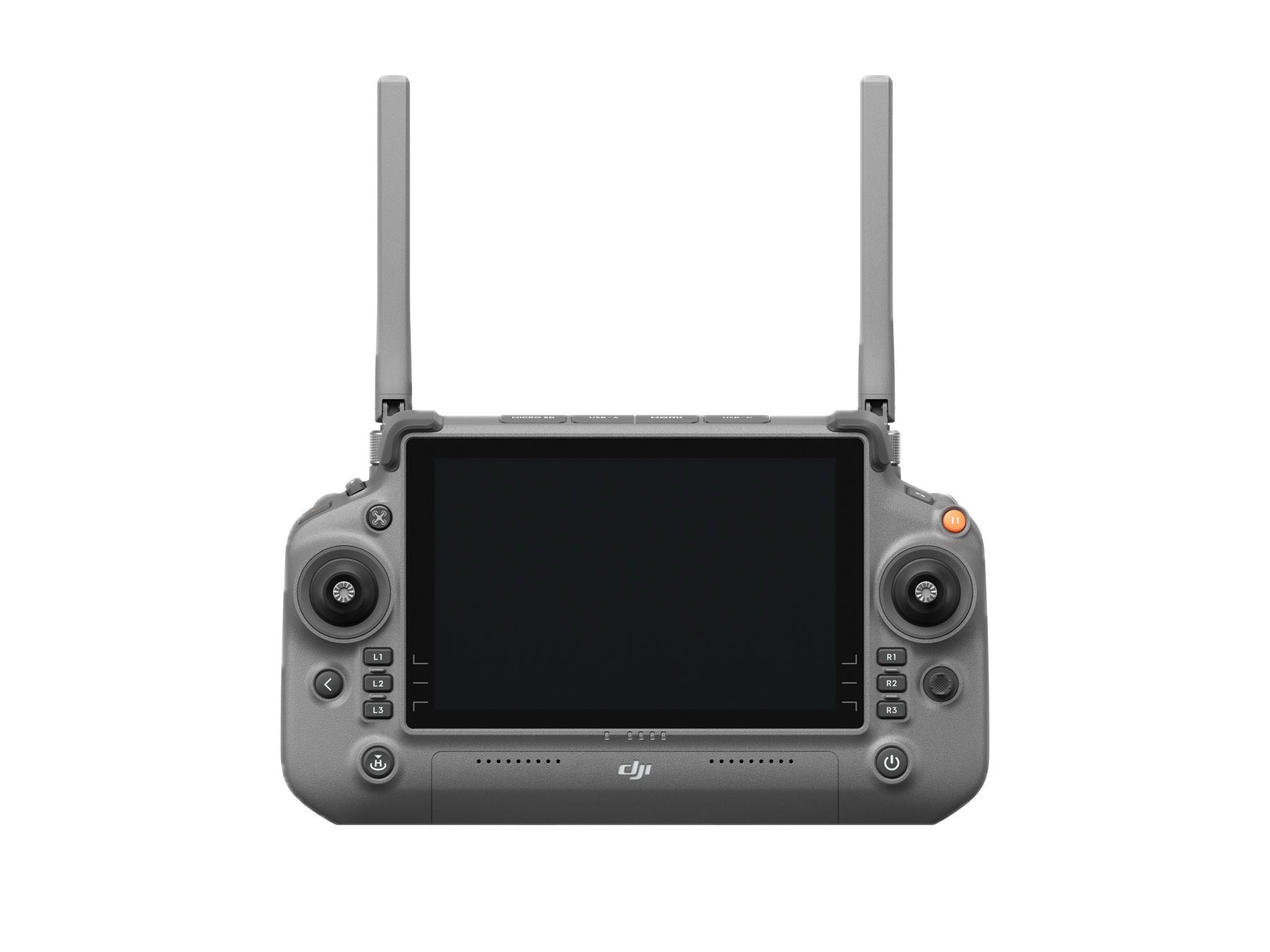
Smart Remote Controller
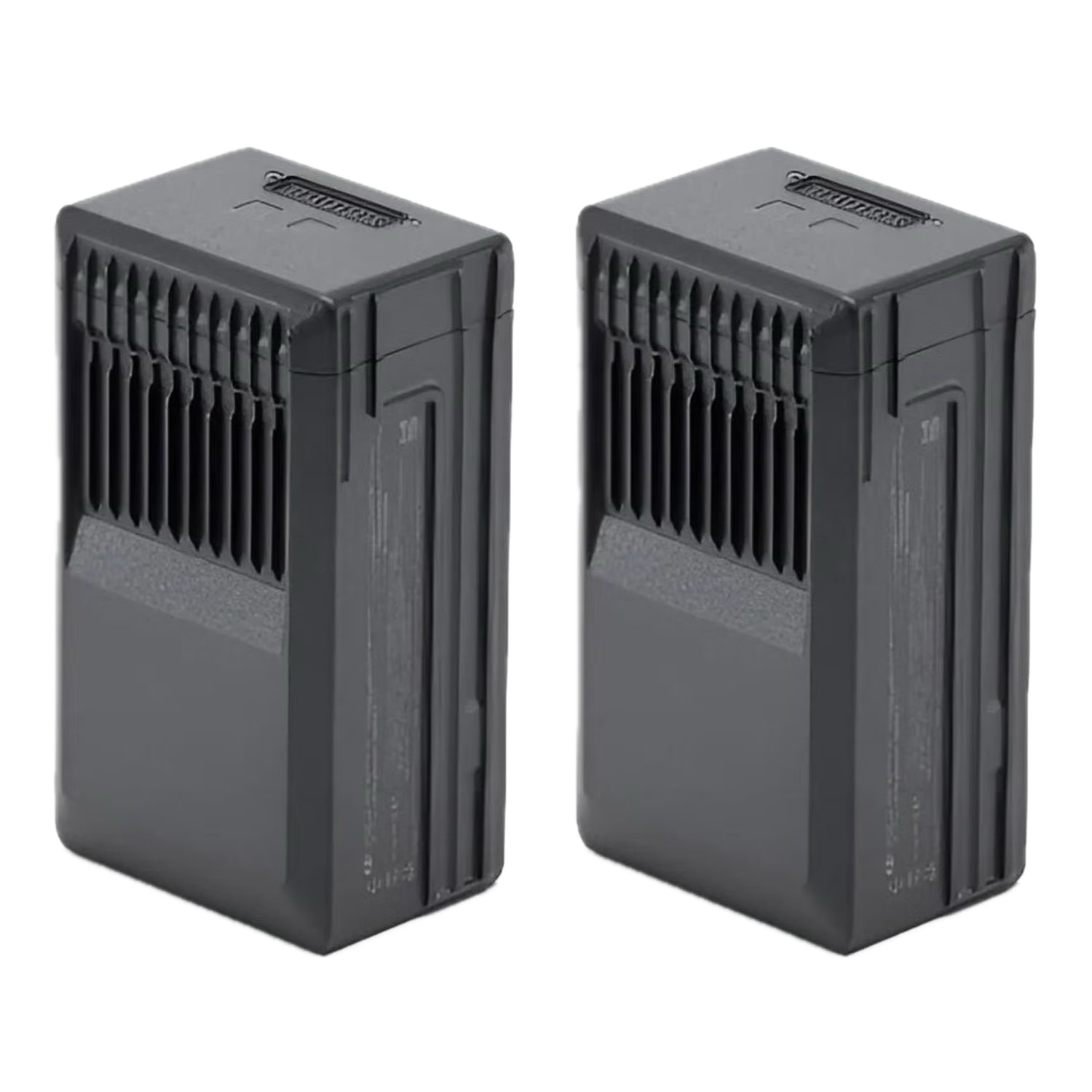
TB65 Battery
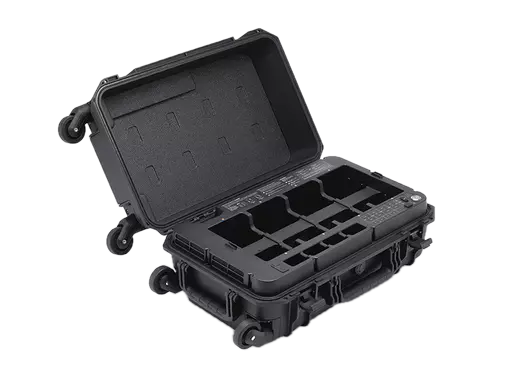
TB65 Charging case
Propeller protection (x4)
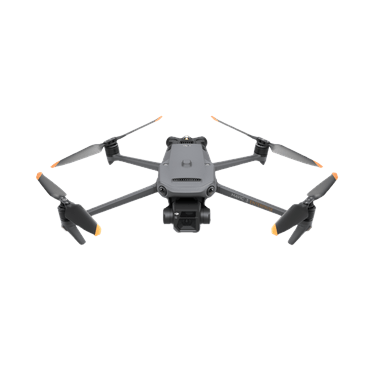
Mavic 3 Enterprise
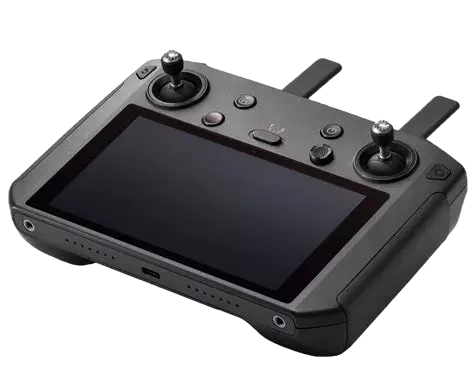
Smart Remote Controller
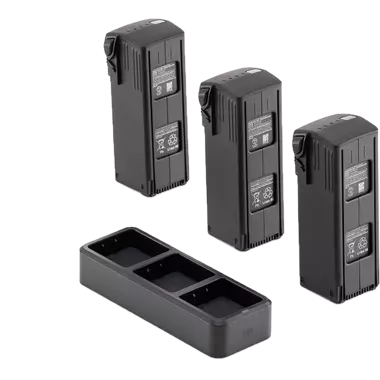
M3E Battery
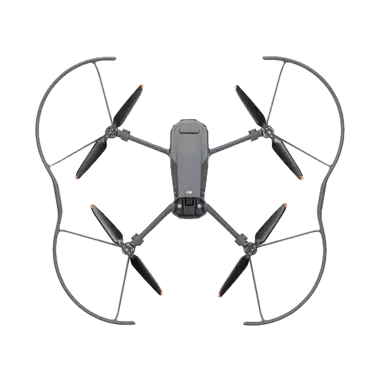
Propeller protection
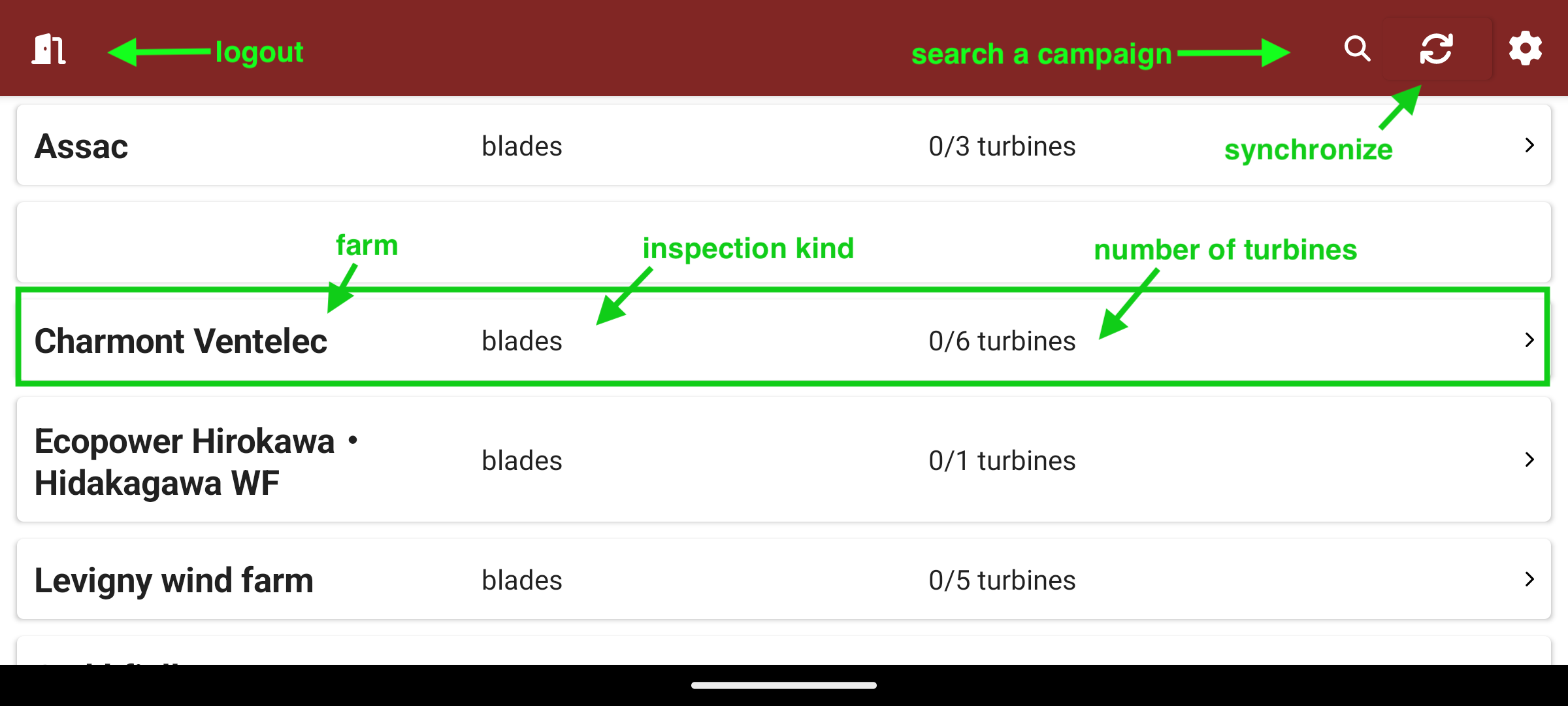
Inspection campaigns
To perform an inspection, you need to have a inspection campaign corresponding to the turbines you want to inspect. To create a new inspection campaign, contact Cornis so that we can create it.
📝 Before Going on the Field
Regulation
The flight regulation depends on your country. You usually have a public map with the regulated zones and the open ones. Here is an example around Paris :

⚠️ Important
Weather
Make sure to check the weather forecast the day before your inspections, to ensure that the requirements will be met :
- no fog
- no rain
- wind < 12 m/s for M300/M350, < 10 m/s for the Mavic 3 Enterprise
💡 Safety First
Preparation Quiz
Put these different steps in the order they should be done at the beginning of the day.
Order the items
What is the maximum wind to fly with the M350 ?
Single answer
Quiz
What are the key weather requirements for safe drone inspection?
Multiple answers
Why is wind speed a critical limiting factor for drone operations?
Multiple answers
Why is pre-flight inspection of sensors and propellers important?
Single answer
What is the purpose of inspection campaigns?
Single answer
✅ Chapter Summary
Perfect! You’re now ready to prepare for an inspection mission. Let’s review the essentials:
🎯 Key Points to Remember
Hardware components (varies by platform):
- Drone (M300/M350/M3E)
- Camera (Zenmuse P1 for M300/M350, integrated for M3E)
- Smart Remote Controller
- Batteries (TB60 for M300/M350, dedicated for M3E)
- Propeller protections
- Charging case
Weather requirements (critical for safety):
- ❌ No fog
- ❌ No rain
- ✅ Wind < 12 m/s (M300/M350) or < 10 m/s (M3E)
Pre-flight preparation sequence:
- Unfold arms
- Check sensors and propellers for damage
- Attach propeller protections
- Turn on drone
- Open DJI Pilot → Open Cornis app
Mission setup requirements:
- Inspection campaigns: Must be synced before going on field
- Regulations: Check local aviation maps for restricted zones
Pre-flight checks:
- Sensor and propeller inspection (detect cracks/damage)
- Checklist validation (SD card, battery, etc.)
- Campaign synchronization
- Weather verification
💭 Before moving on…
Make sure you understand:
- Why each weather requirement exists
- The importance of hardware inspection before flight
- How inspection campaigns organize your work
Almost there! Final chapter covers the app navigation!